Dr. Donovan – Cholesteral Lowering Drugs for Treating Alopecia Areata?
A New Study says Yes By Dr. Donovan Study: Lattouf C and colleagues. Treatment of alopecia areata with simvastatin/ezetimibe. J Am Acad Dermatol 2015; 72: 359-61 Alopecia areata is considered an autoimmune condition. Medications that reduce or modify the effects of the immune system are traditionally used to treat alopecia areata. You may be
Treatment Development Program
NAAF’s Treatment Development Program (TDP) is on track with the timeline initiated in 2010 to accelerate our quest for a viable treatment. NAAF is serving as the ultimate concierge, leveraging all of our available research resources and clinical partnerships. Our strategic goal is to produce safe, effective, affordable treatments useful to millions of people with
Hair Research Society
EHRS is an independent, non-profit organization dedicated to promoting the research of hair biology and hair disease in Europe.
Dr. Donovan – Allergy to Dust mites: Any link to Alopecia Areata?
Allergy to Dust mites: Does it have any link to alopecia areata? By Dr Jeff Donovan Li SF and colleagues. Allergy to dust mites may contribute to early onset and severity of alopecia areata. Clin Exp Dermatol 2014 Sep 23. It’s well known that alopecia areata is an autoimmune disease. Although alopecia areata has
Dr. Donovan – Ruxolitinib: A Potentially New Treatment for Alopecia Areata
Researchers from New York’s Columbia University have uncovered a potentially new treatment for alopecia areata: an oral cancer drug known as ruxolitinib. In a carefully designed study, the researchers first showed first that the drug ruxolitinib was effective in a mouse model of alopecia areata. After showing it worked it mice, the researchers then
Alopecia Areata Research Survey
Heidi Willemse from the Netherlands is doing research on alopecia areata and is asking all people with alopecia areata to complete the survey. The average time is 30 minutes (some longer, some shorter). When the survey is started and the participant has no time to finish, he or she can just continue where he
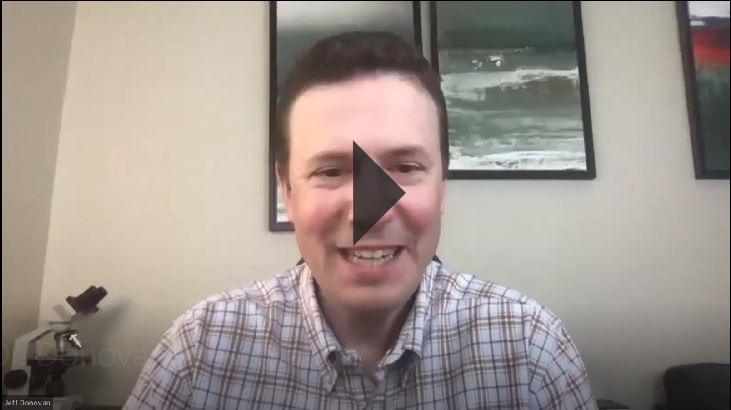
Watch Dr. Donovan’s update from 2020 and learn about recent advancements in alopecia research.