
5 Expert Tips for a Healthier Scalp This Winter
By Laura Schober
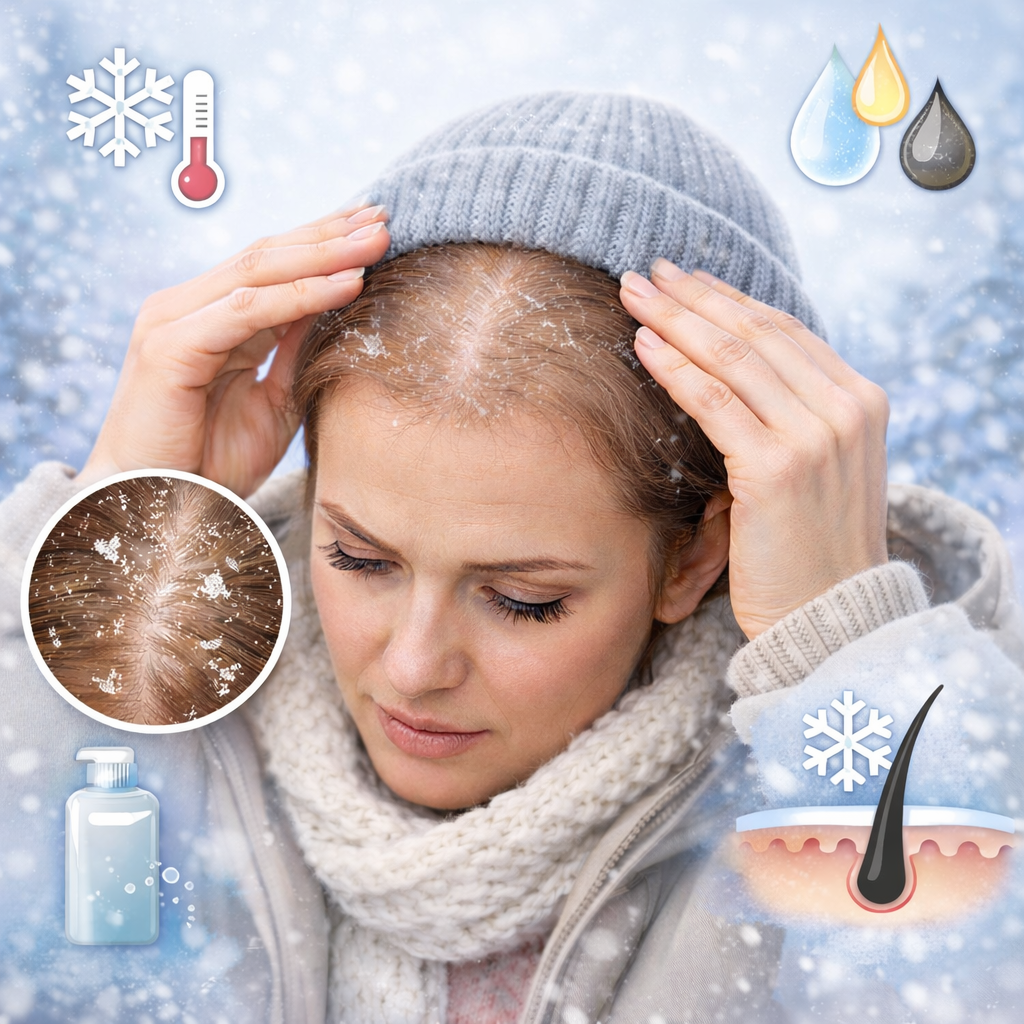
Keeping the scalp and hair well-moisturized is an important part of managing alopecia areata. But with the transition to colder weather, dryness can take hold and strip moisture from the scalp and hair. Indoor heating doesn’t help either – it can also make sensitive scalps even more prone to moisture loss.
Fortunately, there are some expert-approved tips to help keep your scalp and hair well-moisturized and healthy, no matter how cold it gets outside.
“People who have sensitive scalps and people who are predisposed to various types of eczema can certainly find this a challenging time of year,” said Jeff Donovan, MD, PhD, a board-certified dermatologist and director of Donovan Hair Clinic in Whistler, British Columbia. Below, he shares five scalp and haircare tips you can easily incorporate into your regular haircare routine.
1) Moisturize the scalp and avoid over-shampooing
While shampooing is important for keeping the hair and scalp clean, Dr. Donovan says excessive shampooing can over-dry the scalp for some people.
“Some people can wash every day, while others may only want to shampoo every three days or once a week,” he says.
If your scalp tends to become drier in the winter, Dr. Donovan recommends applying a moisturizer to the scalp.
“Moisturizing is going to be helpful for people who don’t have a lot of hair,” he says. “That’s going to reduce itching, irritation and flaking.”
If you have some hair, using a conditioner is necessary to keep it moisturized – both in winter and throughout the year.
2) Use dandruff shampoo if necessary
If you have a scalp condition such as dandruff or seborrheic dermatitis – a skin condition that causes inflamed, scaly patches and oily, dandruff-like flakes – using an anti-dandruff shampoo can help provide relief. But if you find dandruff shampoo to be overly drying, Dr. Donovan recommends combining dandruff shampoo with a regular shampoo to make it more tolerable for your scalp and hair.
During the winter, when dandruff symptoms tend to be more noticeable, he recommends using dandruff shampoo every second or third time you shampoo.
“Patients with alopecia areata may be at higher risk for developing seborrheic dermatitis than the general population,” says Dr. Donovan. “With wigs, hats and scarves, there can be changes in moisture, and that can predispose some patients to an increased risk of seborrheic dermatitis.”
“It’s much easier to deal with these issues proactively than to deal with them once the scalp is red, flaky, itchy and angry,” he says, adding that caring for your scalp can help improve your emotional health and quality of life.
3) Protect the scalp from ultraviolet radiation
For people with alopecia areata and other forms of hair loss, protecting the scalp from the harmful effects of ultraviolet (UV) radiation is crucial – even in winter. Dr. Donovan says this is especially important if you’re heading to a sunny destination to escape the cold. To keep your scalp safe, limit direct sun exposure by wearing a hat or scarf and by applying sunscreen with a sun protection factor (SPF) of at least 30 to your scalp.
4) Be proactive about wig maintenance
“With human hair wigs, the fibers are subjected to the same types of drying effects that natural hair can have, and so that same upkeep and attention to care for the fibers is just as important,” says Dr. Donovan.
Winter’s fluctuating temperatures can make wigs and hair pieces more vulnerable to damage. Just as with natural hair care, he emphasizes that proactively caring for your wig or hair piece is key. If your wig becomes damaged, dry or worn during the colder months, it’s important to consult a wig specialist at a salon to assess or fix the damage before it gets worse.
5) Find what works for you
Everyone’s scalp and hair reacts differently to certain products, which is why it’s important to observe how your skin responds to various products.
“A lot of scalp care comes down to trial and error, and to individuals listening to what their scalp is telling them,” said Dr. Donovan. “If someone uses a certain product and finds that it’s soothing, hydrating and very well-tolerated, then I’m generally OK with it. I encourage patients to listen to what their skin is telling them.”
Ultimately, winter hair and scalp care comes down to limiting dryness, limiting sources of irritation and staying attentive to how your hair and scalp respond to certain products and environmental triggers. By staying aware of how your scalp and hair respond – and making small adjustments as needed – you can help keep your scalp and hair comfortable and well-moisturized throughout the winter.